Choosing a reliable Pull Lock supplier is rarely as simple as comparing prices on a product page. Global buyers must examine materials, load performance, locking consistency, packaging quality, and delivery reliability. A small plastic housing can crack under cold storage, while a weak metal component may deform during transport. These details matter.
This guide reviews seven Pull Lock suppliers for international purchasing teams. The selection considers manufacturing experience, quality-control procedures, customization capability, minimum order quantities, certifications, and export support. It also considers practical issues, such as whether dimensions remain stable across production batches. As quality-management expert W. Edwards Deming stated, “Quality comes not from inspection, but from the improvement of the production process.” That principle is highly relevant when evaluating Pull Lock factories.
No shortlist is perfect. Supplier websites can look polished, yet provide limited evidence about factory testing or complaint handling. Buyers should request samples, technical drawings, tensile-test results, and clear lead-time commitments. Ask difficult questions. Then compare the answers carefully. A supplier with a slightly higher price may reduce replacement costs and shipment delays.
The following overview is designed for distributors, packaging companies, hardware importers, and project buyers. It highlights where each supplier appears strong, while noting possible limitations. Market conditions change, and product quality can vary between batches. Therefore, readers should verify current specifications before placing an order. Use this guide as a practical starting point, not as a substitute for independent due diligence.
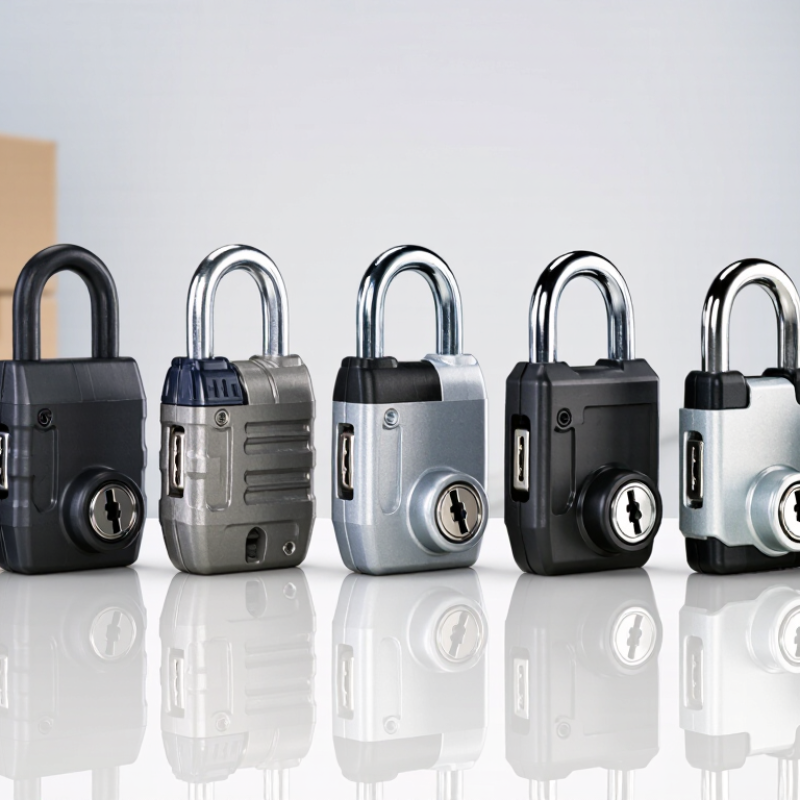
A pull lock is a compact fastening device with a pull handle, latch, and mounting plate. It secures cases, cabinets, panels, and transport equipment without complex installation. Buyers often judge price first. That can be a costly mistake. A weak spring, thin steel, or poor alignment may cause failure after repeated use. Supplier selection matters because material consistency, tooling control, testing, and documentation affect every production batch. The ISO Survey 2023 recorded more than 1.2 million ISO 9001 certificates worldwide, showing how widely quality systems are used. Yet certification alone does not prove reliable pull locks.
Global buyers should request clear drawings, material grades, surface-treatment details, cycle-test results, and inspection records. Stainless steel may suit humid environments, while zinc-plated steel can reduce cost in controlled conditions. Ask whether samples match mass-production parts. This step is often missed. The UNCTAD Review of Maritime Transport 2024 states that ships carry over 80% of world trade, so packaging hardware faces long routes, vibration, salt air, and repeated handling. A dependable supplier should explain tolerance control, replacement procedures, lead times, and export packaging.
Tips: Test at least three samples under realistic loads. Check latch engagement by touch, not only by appearance. Request a small pilot order before annual purchasing. Compare total cost, including defects and delays. My own practical view is imperfect but useful: the cheapest pull lock can become the most expensive component when field replacement is difficult. Supplier audits should include production floors, not just polished sample rooms.
| Supplier Profile | Primary Sourcing Region | Pull Lock Specialization | Common Materials | Typical Size Range | Typical MOQ | Sample Lead Time | Bulk Lead Time | Customization Capability | Best Fit for Buyers |
|---|---|---|---|---|---|---|---|---|---|
| Supplier Profile 1 | East Asia | High-volume pull locks for handbags, luggage and small leather goods | Zinc alloy, brass, stainless steel | 18–45 mm | 500–1,000 pcs | 7–12 days | 25–40 days | Logo engraving, custom moulds, plating and color matching | Large-volume importers seeking competitive unit pricing |
| Supplier Profile 2 | South Asia | Cast and stamped metal closures for leather accessories | Brass, zinc alloy, iron | 20–50 mm | 300–800 pcs | 10–15 days | 30–45 days | Custom dimensions, antique finishes, laser marking and packaging | Fashion-goods buyers requiring flexible order quantities |
| Supplier Profile 3 | Southern Europe | Premium pull locks with refined surface finishing | Brass, stainless steel, zamak | 15–40 mm | 100–300 pcs | 10–20 days | 35–55 days | Custom tooling, polished or brushed surfaces, plating samples and inspection reports | Premium brands and buyers prioritizing appearance consistency |
| Supplier Profile 4 | Türkiye and surrounding markets | Pull locks for bags, belts, cases and garment accessories | Zinc alloy, brass, steel | 20–45 mm | 500–1,500 pcs | 7–14 days | 25–45 days | Standard and custom finishes, private-label packaging and mixed-size orders | European buyers seeking shorter regional transport routes |
| Supplier Profile 5 | Southeast Asia | Lightweight and corrosion-resistant pull locks for travel products | Aluminum, stainless steel, zinc alloy | 18–50 mm | 500–2,000 pcs | 10–18 days | 30–50 days | Weight reduction, custom colors, salt-spray testing and assembly support | Luggage, outdoor and travel-product manufacturers |
| Supplier Profile 6 | East Asia | Precision-machined and low-tolerance pull lock components | Stainless steel, brass, aluminum | 12–35 mm | 200–600 pcs | 12–20 days | 35–60 days | Tight tolerances, functional testing, custom drawings and engineering samples | Technical products requiring repeatable fit and smooth operation |
| Supplier Profile 7 | Western Europe | Small-batch pull locks and coordinated leather-hardware sets | Brass, steel, zamak | 15–45 mm | 100–500 pcs | 7–15 days | 20–40 days | Prototype development, coordinated hardware sets, custom plating and traceability documents | Boutique manufacturers and buyers testing new collections |
Note: A pull lock is a metal or alloy closure operated by pulling or lifting a tab to secure a bag, case or leather product. MOQ, pricing, lead time, finish availability and compliance documentation should be confirmed directly with each supplier before ordering.
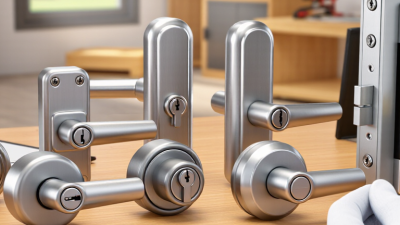
Evaluating pull lock suppliers for international purchasing requires more than comparing unit prices. Start by defining the mechanism clearly: latch type, mounting hole size, material, finish, holding force, and expected operating cycles. Ask for dimensional drawings, material certificates, inspection records, and sample approval procedures. A reliable supplier should explain tolerance limits, corrosion testing, and batch traceability without hesitation. Vague answers are expensive later.
Shipping performance also deserves technical attention. The 2023 World Bank Logistics Performance Index assessed 139 economies across customs, infrastructure, tracking, and timeliness. Use these factors when reviewing a supplier’s export record.
Request recent evidence of lead times, export documents, packaging tests, and damage rates. UNCTAD’s Review of Maritime Transport 2023 states that ships carry over 80% of global merchandise trade by volume. That makes packaging and port coordination practical quality issues, not administrative details.
During factory audits, inspect incoming material storage, production gauges, final inspection stations, and corrective-action records. Test samples under realistic pull loads, repeated cycles, vibration, and humidity. I would not trust one perfect sample alone. Ask for results from several production batches. A supplier may pass a laboratory test yet miss consistency during a rushed shipment. Incoterms, payment protection, warranty scope, and communication response times should be written into the purchasing agreement. Even experienced buyers sometimes overlook replacement parts and tool ownership.
7 Best Pull Lock Suppliers for Global Buyers
Seven Leading Pull Lock Suppliers for Global Buyers
Global buyers need more than a low unit price when sourcing pull locks. Maritime transport carries about 80% of global merchandise trade by volume, according to UNCTAD. That scale increases pressure on suppliers to deliver consistent locking force, clean finishing, and stable export packaging. The seven leading pull lock suppliers should therefore be compared through measurable evidence, not attractive catalogs.
A reliable supplier should provide material certificates, dimensional drawings, batch traceability, and documented load-test results. Ask whether steel grades remain consistent after stamping and welding. Check the hinge movement by hand. It should feel firm, not gritty. Salt-spray resistance also matters for coastal warehouses and containers. Small details often expose weak production control.
The World Bank’s 2023 Logistics Performance Index assessed 139 economies across customs, infrastructure, tracking, and timeliness. These factors also shape supplier performance. A capable pull lock supplier should offer realistic lead times, protective cartons, and responsive technical support. Request a sample before approving a large order. Measure hole alignment and coating thickness yourself.
One weakness remains.
Supplier rankings can become outdated quickly. A factory may improve, change subcontractors, or miss a shipment during peak season. Buyers should review recent inspection records, not rely on old claims. Pricing matters, but repeatable quality, communication, and documented testing usually protect the total purchasing cost better.
Material selection is a key factor when comparing pull-lock suppliers for global purchasing. This chart compares commonly used pull-lock materials by approximate ultimate tensile strength, based on widely published material reference values. Stainless steel offers strong corrosion resistance, while carbon steel and zinc alloy are often selected for cost-sensitive applications.
7 Best Pull Lock Suppliers for Global Buyers
Comparing pull lock suppliers requires more than checking a polished product photo. Start with the lock body, spring, handle, and mounting plate. Stainless steel usually resists corrosion better than basic plated steel. Ask for material certificates and dimensional drawings. Small differences matter. A 0.5-millimeter mismatch can create loose movement during installation. Request samples before approving a large order. Test the latch repeatedly, even if the supplier provides laboratory results. My own early comparisons focused too heavily on appearance. That was a costly mistake.
Pricing should include the full purchasing picture. Compare unit cost, tooling charges, sample fees, packaging, and shipping terms. A cheaper quote may use thinner metal or weaker rivets. Ask how many operating cycles the pull lock has completed under load. Check surface finish, screw fit, and locking consistency on several samples. One sample proves very little. Record the results in a simple comparison sheet. It keeps discussions factual and exposes unclear quotations. Sometimes the “best” price is only the fastest estimate.
Customization can involve hole spacing, handle length, finish, logo placement, and packaging. Confirm minimum order quantities and production tolerances in writing. A capable supplier should explain what changes require new tooling. They should also provide a pre-production sample for approval. Leave room for revision. Real projects often reveal overlooked clearance problems. That is not failure, but it deserves an honest correction before production. Ask about inspection records, replacement policies, and communication during delays. Reliable service shows in details, not promises.
Before ordering pull locks, global buyers should inspect more than unit price. Ask for material grade, load rating, salt-spray results, dimensions, and finish tolerance. Request production samples from the same line used for mass orders. A polished sample proves little. The World Bank’s 2023 Logistics Performance Index covered 139 economies and emphasized tracking, customs, and delivery reliability. These factors matter when locks cross borders.
Verify factory controls through an independent audit, not only a submitted certificate. The ISO Survey 2022 recorded more than 1.2 million ISO 9001 certificates worldwide. Certification alone cannot confirm every batch. Check certificate scope, issuing body, renewal date, inspection records, and corrective-action logs. Define acceptance limits for spring tension, pull force, plating thickness, burrs, and carton labeling. Include test methods in the purchase contract. Ask how rejected parts are quarantined.
Specific answers matter.
Landed cost deserves equal attention. Confirm tooling ownership, minimum order quantity, lead time, spare parts, packaging strength, and Incoterms. Request pre-shipment inspection with random sampling and a retained reference sample. For critical installations, test locks after humidity, vibration, and repeated cycles.
A useful warning: buyers often trust the cheapest quote too quickly. I have seen small finish defects become installation delays. Supplier claims need evidence, and some inspection plans still need improvement.