10 Tips for Using a Sliding Lock Effectively in Your Home Security System?
In today's security landscape, homeowners are increasingly turning to innovative solutions to enhance protection. One such solution is the sliding lock. According to a report by the Security Industry Association, nearly 70% of homeowners prioritize door security in their home safety plans. Sliding locks are gaining popularity due to their effectiveness in securing doors and windows. Yet, not all sliding locks are created equal. Understanding how to use them properly is critical.
Many still overlook the importance of installation and maintenance. A poorly installed sliding lock can compromise your home’s safety. Experts recommend regular checks to ensure functionality. Furthermore, choosing high-quality materials can significantly boost protection against break-ins. A study by the National Crime Prevention Association highlighted that homes with well-installed sliding locks faced 40% fewer burglaries.
While sliding locks are a practical choice, they require thoughtful implementation. Each lock type offers unique benefits and drawbacks. Neglecting to assess your specific needs can lead to vulnerabilities. Homeowners must actively engage with their security systems, adapting as necessary to ensure optimal safety.
Understanding the Basics of Sliding Locks in Security Systems
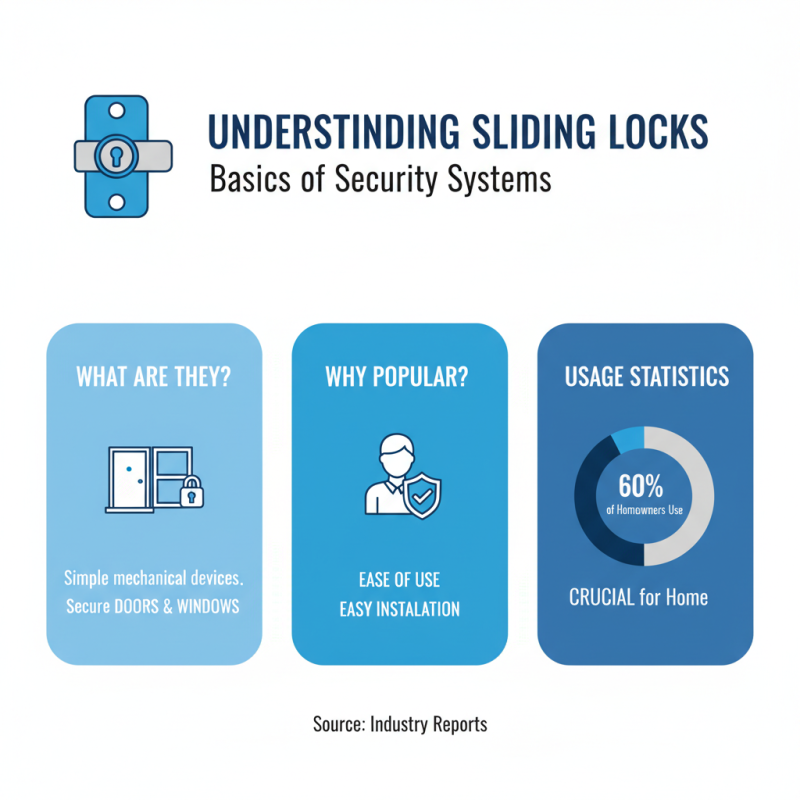
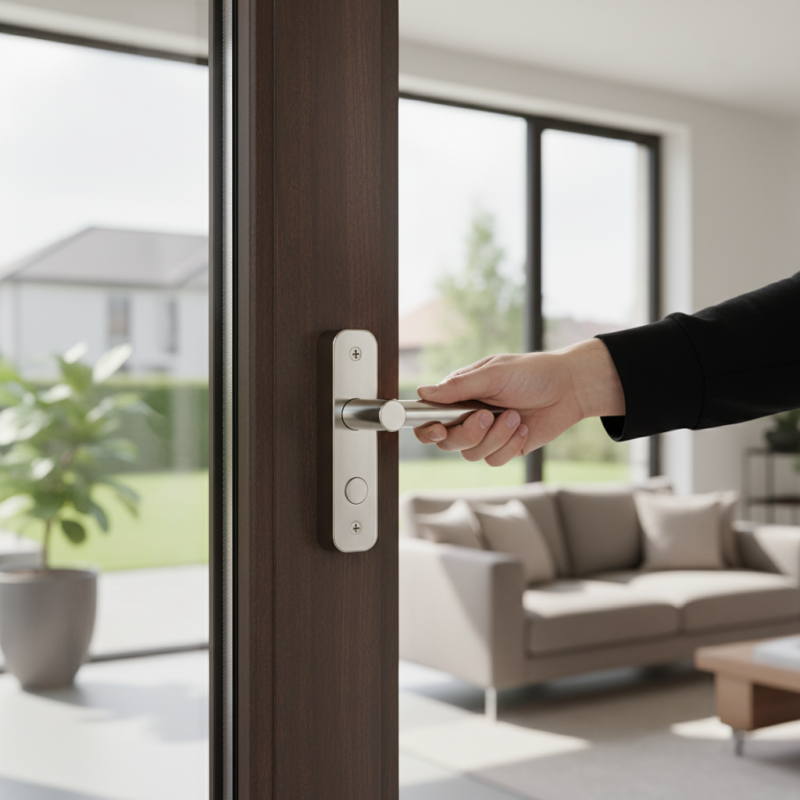
Sliding locks are a crucial element in many home security systems. They offer a straightforward design that can effectively secure doors and windows. According to industry reports, approximately 60% of homeowners utilize sliding locks as part of their security measures. This preference stems from their ease of use and installation.
However, the effectiveness of sliding locks can be compromised if not properly maintained. Regular maintenance checks are essential. Rust or dirt can hinder their functionality, making them easier to bypass. An estimated 30% of sliding locks are reported to fail due to lack of upkeep. Homeowners should inspect these locks quarterly to ensure they are free from obstructions and functioning smoothly.
Understanding the mechanics of sliding locks is also vital. These locks typically operate by sliding a bolt into a designated area on the frame. Unfortunately, subpar installation can weaken their strength. A poorly aligned lock presents an easy target. As reported by security experts, up to 40% of break-ins occur through unlocked or poorly secured entries. Homeowners must ensure proper alignment for maximum security efficacy.
Choosing the Right Type of Sliding Lock for Your Home
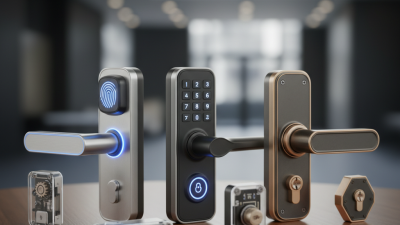
When choosing the right type of sliding lock for your home, consider the materials and mechanisms. A sturdy metal lock offers more protection than plastic counterparts. Look for locks with deadbolt features for added security. Ensure they are weather-resistant if they will be exposed to the elements. A sliding lock should fit your door’s design perfectly, allowing for smooth operation while enhancing security.
Evaluate the installation process and your skill level. Some locks require professional installation, while others are DIY-friendly. If you’re unsure, consult a security expert for advice. Sometimes, the most expensive lock isn’t the best fit for your needs. Take time to read reviews and compare options. Remember, not every lock is created equal, and features might differ greatly between models. Choosing the right one should align with your security priorities and lifestyle.
Proper Installation Techniques for Maximum Security
When installing a sliding lock for home security, attention to detail is crucial. Begin by choosing the right location on your sliding door. The lock should be placed where it can work effectively without obstructing the door's movement. Ensure the surface is clean and level. If the surface is uneven, consider using shims. Once in position, mark the installation points carefully to avoid misalignment. A misaligned lock can compromise your home security.
Use the correct tools for a secure fit. A power drill makes installation easier, but a manual screwdriver works too. Follow the manufacturer's instructions closely. Use the screws provided, as they are designed for optimum grip. It's important to double-check that the lock engages smoothly. If it sticks, reassess the alignment. A poorly aligning lock may lead to frustration and wasted time.
Remember to periodically check the lock's effectiveness. Over time, locks can wear down or become misaligned due to weather changes. Regular maintenance is key. Take a moment to examine if it’s functioning as intended. If adjustments are needed, don’t hesitate to make them. Awareness of such details strengthens your overall security. Your diligence can make a significant difference in keeping your home safe.
Effectiveness of Sliding Lock Installation Techniques
This bar chart illustrates the effectiveness ratings of various installation techniques for sliding locks in home security systems. Proper alignment and high lock quality are critical factors for maximizing security.
Routine Maintenance Tips for Sliding Locks
Routine maintenance is essential for ensuring that sliding locks function properly in your home security system. Regularly inspect each lock for signs of wear or damage. A small crack can compromise the entire lock. You should lubricate the mechanism using a graphite or silicone spray every few months. This prevents the lock from sticking and promotes smooth operation.
Another important tip is to check the alignment of your sliding doors. Misalignment can cause the lock to fail. If a door doesn’t close fully, it may leave your home vulnerable. Tighten any loose screws and realign the door as needed. Make sure you test the lock after adjustments. It should engage easily and securely.
Be mindful of the sliding lock's condition. Over time, dirt and debris may accumulate in the track. Regular cleaning is necessary to maintain its effectiveness. A clean track allows the door to slide smoothly, which can prevent unnecessary strain on the lock. Discussing these maintenance tips with family members can ensure everyone understands the importance of care and security.
Integrating Sliding Locks with Other Security Features
When enhancing home security, integrating sliding locks with other features is essential. Sliding locks offer a solid defense, but they are most effective when paired with additional security measures. For instance, a recent survey highlighted that homes with multi-layered security systems reduce the risk of break-ins by up to 60%.
Consider combining sliding locks with motion-sensor lights. This duo can deter potential intruders. When a light activates as someone approaches, it might make them reconsider their actions. Installing security cameras alongside sliding locks is also a wise choice. Cameras can provide visual evidence and enhance the feeling of safety.
Regular maintenance of sliding locks is crucial. Even the best locks can wear down. According to a study, broken or poorly maintained locks account for 30% of security failures. Homeowners should inspect sliding locks regularly for wear and tear. Furthermore, enhancing the lock with a sliding deadbolt can offer added protection. Overall, a thoughtful integration approach leads to a more effective home security strategy.
10 Tips for Using a Sliding Lock Effectively in Your Home Security System
| Tip Number |
Tip Description |
Integration Feature |
| 1 |
Choose high-quality sliding locks with durable materials. |
Reinforced Doors |
| 2 |
Ensure proper installation by a professional. |
Home Security Assessment |
| 3 |
Regularly check and maintain sliding locks. |
Routine Security Checks |
| 4 |
Use sliding locks in conjunction with smart home devices. |
Smart Security Systems |
| 5 |
Combine sliding locks with window sensors. |
Comprehensive Security Setup |
| 6 |
Install sliding locks on all vulnerable entry points. |
Enhanced Entry Protection |
| 7 |
Incorporate surveillance cameras to monitor sliding doors. |
Real-time Monitoring |
| 8 |
Choose locks with digital keypads for keyless entry. |
Keyless Entry Systems |
| 9 |
Utilize alarm systems that integrate with sliding locks. |
Alarm Integration |
| 10 |
Educate family members on the importance of using sliding locks securely. |
Community Awareness Programs |

 Rod lock