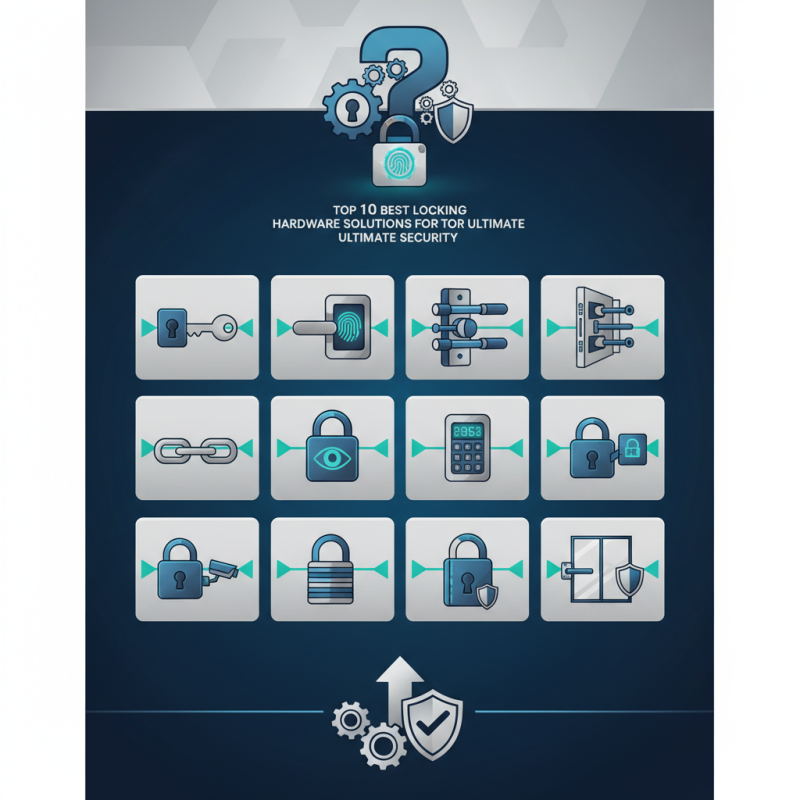
Top 10 Best Locking Hardware Solutions for Ultimate Security?
In today's world, ensuring safety is paramount. The right locking hardware can make all the difference. With advances in technology, the options can be overwhelming. Choosing the best locking hardware means understanding your needs.
Top locking solutions enhance security for homes and businesses. Each type offers unique benefits. Some are traditional locks; others utilize smart technology. Security features vary widely, from basic to advanced. This creates a need for informed choices.
Quality locking hardware is an investment in safety. However, not all products meet expectations. Reliability and effectiveness must be prioritized. It's crucial to consider durability and ease of use. The world of locking hardware is diverse and ever-evolving. A closer look reveals what truly stands out in terms of security.
Top 10 Locking Hardware Solutions for Enhanced Security
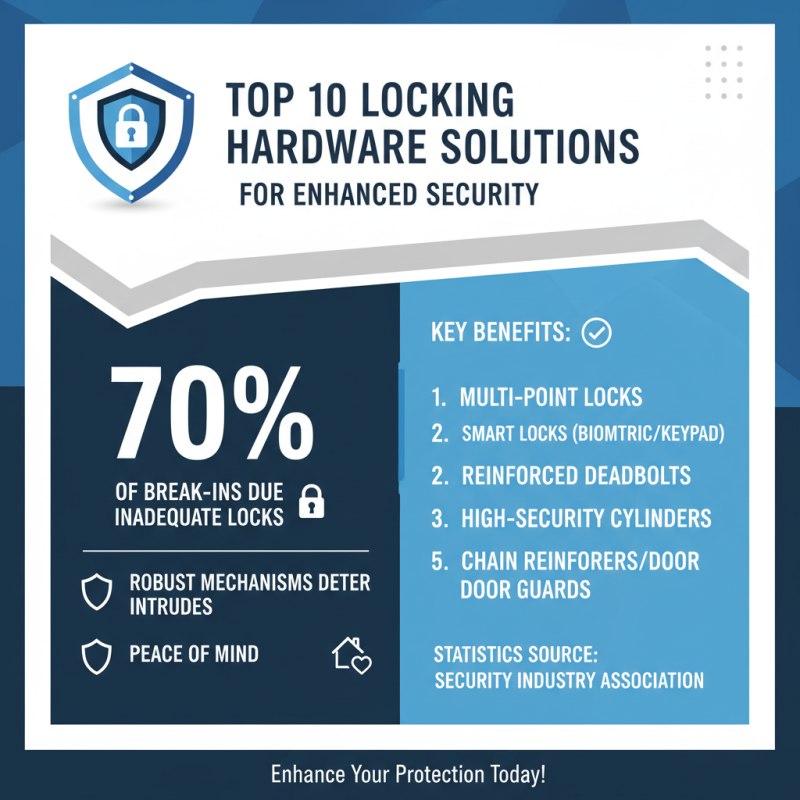
When it comes to enhancing security, choosing the right locking hardware solutions is crucial. According to a report from the Security Industry Association, over 70% of break-ins result from inadequate locks. This statistic underlines the importance of investing in robust locking mechanisms. High-quality locks not only deter intruders but also provide peace of mind.
One effective solution is smart locks, which combine traditional locking mechanisms with modern technology. These locks can be controlled via smartphones or biometrics. A study by the Electronic Security Association shows that smart locks reduce unauthorized access attempts by up to 50%. Additionally, mechanical locks, such as deadbolts, remain a reliable choice, offering durability and resistance against forced entry.
However, it's essential to recognize that no security solution is perfect. Even the best locks can be compromised over time. Regular maintenance and updates to locking systems are necessary to ensure ongoing effectiveness. As a homeowner or business owner, staying informed about the latest security solutions can significantly enhance your protective measures. Balance is key when combining traditional and modern locking systems for ultimate security.
Evaluating Different Types of Locking Systems for Home and Business
When evaluating locking systems for home and business, it’s crucial to consider diverse options. Keyless entry systems have gained popularity for their convenience and modern appeal. These systems reduce the need for physical keys while providing flexibility in access control. However, their reliance on technology can pose risks like hacking.
Traditional deadbolts remain a sturdy choice for security. They offer a solid physical barrier against intrusion. Yet, many neglect regular maintenance, which can lead to malfunctions. Proper installation and routine checks are essential to ensure their effectiveness. Misalignment can weaken their security, making it easier for unauthorized access.
Smart locks present an innovative solution, blending technology with functionality. They can be controlled remotely and monitored in real-time. Yet, there may be a learning curve for less tech-savvy users. Sometimes, users may find themselves locked out due to software glitches. This highlights the importance of understanding the system fully before relying on it for security. Different locking solutions cater to varied needs, but evaluating each type’s strengths and weaknesses is vital for ultimate security.
Key Features to Look for in Locking Hardware Solutions
When choosing locking hardware solutions, several key features stand out. Durability is crucial. Look for materials that resist weather conditions. Stainless steel and hardened alloys offer strength. A weather-resistant finish extends the lifespan of locks. This factor is often overlooked, yet it significantly impacts security.
Security features must not be neglected. Look for locks with anti-picking and anti-drilling capabilities. A dual locking mechanism provides additional protection. Keyways that are complex can thwart unauthorized access. If you choose a digital lock, strong encryption is essential.
Ease of installation is another important consideration. The process should not be overly complicated. Some products may include user-friendly guides. Regular maintenance checks are often required. Remember, even the best locks are only effective if installed correctly. Consider this when assessing your options.
Top 10 Best Locking Hardware Solutions for Ultimate Security
This chart displays the security ratings of the top 10 locking hardware solutions. Each solution is rated on a scale from 1 to 10 based on its effectiveness in providing security. This visualization helps in identifying which locking hardware offers the best protection and can guide users in their selection for ultimate security.
Comparative Review of Popular Lock Brands and Models
When choosing locking hardware, understanding key differences among popular brands is crucial. Reports indicate that almost 30% of residential burglaries occur without force, highlighting the importance of effective locking systems. Various brands offer distinct locking mechanisms like deadbolts, smart locks, and knob locks, catering to diverse security needs. For instance, one study reveals that homes with deadbolts are over 15 times less likely to be broken into.
Consumers should weigh features such as durability and ease of use. However, many overlook the installation process. Poorly installed locks can compromise security, regardless of brand reputation. A recent survey found that 40% of homeowners do not properly maintain their locks, which can lead to vulnerabilities. Regular inspections and timely repairs are often ignored yet critical for effective security.
Tip: Always check the review ratings before purchasing locks. This helps ensure you're investing in reliable products. Also, consider using multiple types of locks. Combining various locking mechanisms can provide a layered defense. Each mechanism adds a different level of security. It’s wise to understand your specific needs before deciding.
Installation Tips for Maximizing Locking Security Effectiveness
When enhancing locking security, installation is crucial. Proper alignment of locks can significantly reduce vulnerabilities. According to a report by the Security Industry Association, misalignment can increase the chances of forced entry by 30%. Ensuring that deadbolts are aligned with the door frame minimizes the chances of lock picking and bumping.
Another effective tip involves utilizing multiple locking points. Research indicates that properties with more than one lock are 60% less likely to experience break-ins. Each additional lock adds complexity to the entry process, making it less appealing for intruders. Ensure that all locks and bolts are installed at varying heights to deter picking attempts.
Routine maintenance of locks is often overlooked. A study from the Locksmiths Association found that 20% of homeowners never check their locks for wear. Regular inspections can uncover rust or mechanical failures, which compromise safety. Stay vigilant and consider replacing outdated hardware to keep security measures robust. Always remember, even the best locks require responsible upkeep and careful installation to function effectively.

 Rod lock